
Omaha, Nebraska • Recovery education & local resources
How community connection, practical guidance, and healthy accountability can support a sustainable recovery journey.
Peer supportRecovery accountabilityDouglas County, NebraskaRecovery from substance use challenges does not happen in isolation. Alongside appropriate clinical care, reliable relationships and practical encouragement can make everyday changes feel more manageable. For people searching for peer recovery support in Omaha, Nebraska, understanding what peer support actually means—and how it differs from counseling—can help them find a healthier, more sustainable path forward.
David DeBolt Counseling LLC describes peer support, recovery accountability, and connections to community resources as parts of its recovery-focused approach in Omaha. This guide explains how these supports may fit into a broader recovery plan, what questions to ask when evaluating local options, and how individuals or loved ones can take a practical first step. Explore DeBolt's peer support and brotherhood service.
What Is Peer Recovery Support?
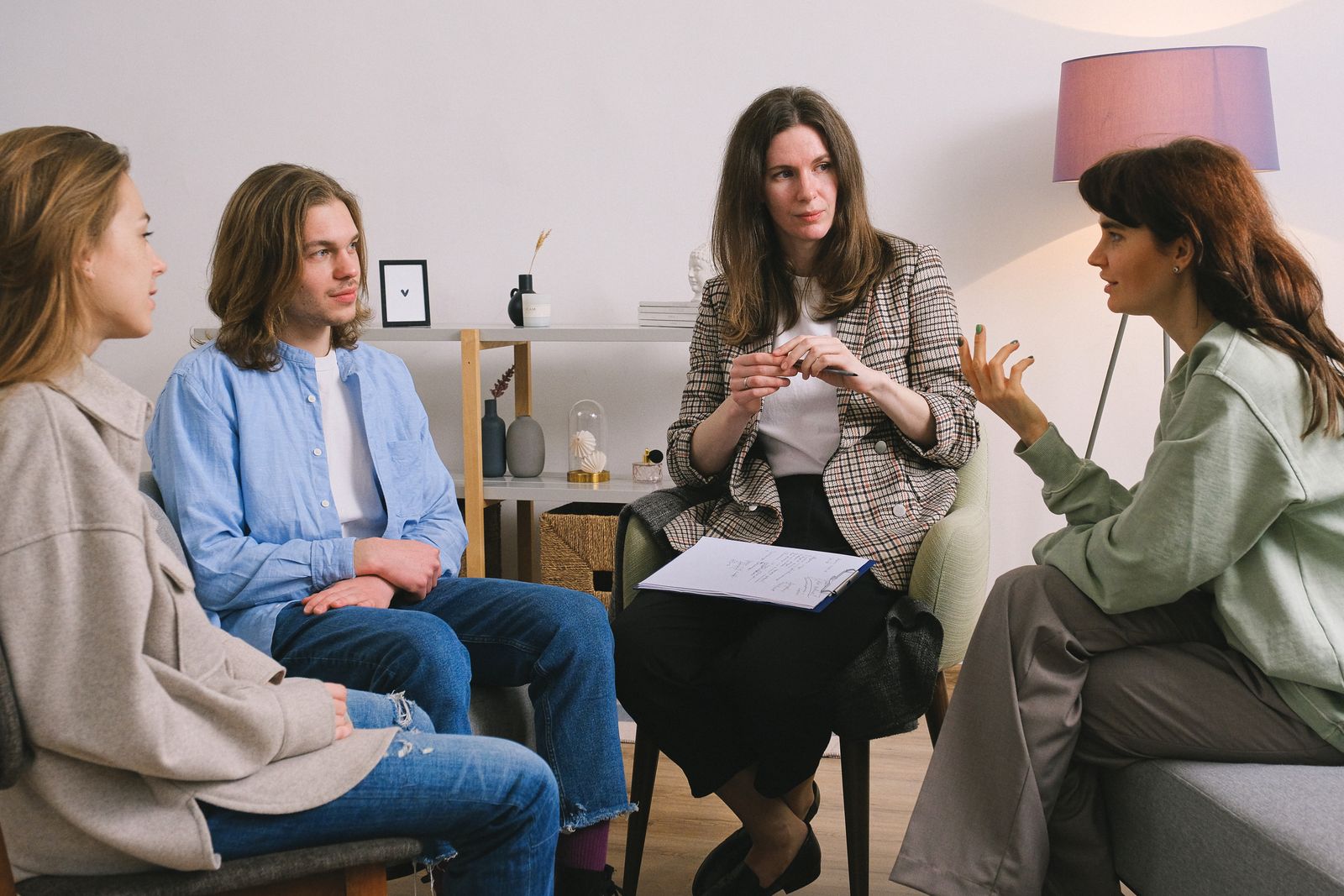
Peer recovery support is encouragement and practical assistance offered by someone with relevant lived experience of recovery. According to the Substance Abuse and Mental Health Services Administration (SAMHSA), peer support workers help others through shared understanding, community connections, mentorship, and goal setting. Support may take place individually, in groups, or through links to community resources.
Support from a peer can feel different from traditional treatment. Someone who has navigated similar challenges may help make it easier to talk openly about daily obstacles, identify useful resources, or practice reaching out before problems grow. A peer is not there to make decisions for another person; the goal is to help each individual build confidence and make informed choices.
Five Ways Community and Accountability Can Help
Reduce isolation
Supportive relationships create opportunities to talk with people who understand recovery-related challenges without judgment.
Make goals practical
Simple check-ins can help turn broad goals—such as attending appointments—into manageable next steps.
Build healthier habits
Peers may share practical approaches to routines, communication, community participation, and daily responsibility.
Find community connections
Support may include information about recovery meetings, housing, educational opportunities, or employment resources.
05 / Hope through shared experience. Hearing how another person navigated setbacks or rebuilt routines can help someone see multiple possibilities for their own journey. Peer support works best when participation is respectful, voluntary, and directed by the individual's own goals. SAMHSA identifies these as important principles of effective peer services.
Peer Support vs. Professional Counseling: What's the Difference?
Both can contribute to recovery, but the roles should not be confused. A licensed or appropriately credentialed treatment professional assesses clinical needs and provides treatment within their scope of practice. A peer support worker draws primarily on lived experience, recovery mentoring, nonclinical encouragement, and knowledge of community resources.
| Peer recovery support | Professional counseling or treatment |
|---|---|
| Uses relevant lived experience and mutual understanding | Uses clinical education, professional training, and assessment |
| May help with motivation, goal setting, and resource navigation | May provide structured treatment planning and therapeutic interventions |
| Can connect people with recovery communities and support networks | Can evaluate symptoms and determine when other clinical services are needed |
| Often supports day-to-day recovery outside appointments | Provides care within an established professional scope and treatment plan |
For many people, the strongest approach is not a choice between the two. It is a coordinated network of clinically appropriate treatment, trusted peers, supportive family or friends, and stable community resources. To learn more about DeBolt's published options, visit the Recovery Programs page, which describes outpatient services, housing-related support, and peer accountability.

How to Build a Stronger Support Network in Omaha
A support network does not have to begin with a large group. For someone early in recovery, one dependable connection may be more useful than many contacts who are difficult to reach. Consider taking the following steps over several weeks:
- Identify two safe people. Write down the names of people who can listen respectfully and encourage your recovery goals. They might include a trusted family member, supportive friend, mentor, or treatment professional.
- Choose an appropriate meeting or activity. Ask about local mutual-help groups, recovery community organizations, or other safe ways to develop positive connections. Choose settings that fit your comfort and care needs.
- Schedule a realistic check-in. A brief weekly call, shared walk, or goal review can create continuity. Agree in advance about when and how you prefer to be contacted.
- Prepare for difficult moments. Know whom to contact if stress, cravings, or isolation increase. A professional can help develop an individualized safety and recovery plan when appropriate.
- Review what actually helps. Keep connections that offer respect, practical guidance, and encouragement. If a group feels unsafe or unhelpful, discuss other options with a qualified professional.
Recovery support should feel collaborative, not controlling. Healthy accountability is about being able to recognize challenges, discuss a missed goal, and adjust plans without shame. People may move through recovery at different paces and need different combinations of services over time.
Where Structured Living and Peer Support May Connect
Housing stability, daily routine, and recovery-oriented relationships often intersect. DeBolt's official About Us page describes Boyz to Men Sober Living as a structured transitional housing program for adult men, with accountability, life-skills development, peer support, and connections to clinical services. It also describes the Girlz to Women / The Beff House recovery environment for women. These are distinct programs with their own circumstances and intake considerations.
Someone exploring recovery housing should ask about eligibility, expectations, supervision, house rules, costs, location, current availability, and whether professional treatment is provided directly or through an outside referral. Never assume the counseling office address is the address of a residence. The public business contact location appears below for making inquiries.

Questions to Ask Before Joining a Peer Support Program
When comparing peer recovery options in Omaha or the wider Douglas County area, a short conversation can clarify whether a program is a good fit. Ask who facilitates the group, whether peer leaders have relevant training, and how confidentiality and personal boundaries are handled. Ask about the typical format: one-to-one meetings, community gatherings, recovery meetings, or referrals to outside organizations.
Also clarify the role of professional counseling and whether additional assessment is required. A credible organization should explain its services in plain language without guaranteeing a specific recovery outcome. If transportation, work obligations, family needs, or housing instability make participation difficult, raise those concerns early so practical options can be considered.
Simple Weekly Recovery Connection Checklist
Use this as a flexible planning tool, not a required clinical schedule:
- Reach out to one supportive person.
- Attend a suitable recovery meeting or community activity if helpful.
- Review one personal goal and one obstacle.
- Make time for rest, meals, movement, and healthy routines.
- Keep needed appointments with treatment professionals.
- Identify a person or service to contact if a difficult situation arises.
Small consistent actions may be easier to sustain than an ambitious plan that quickly becomes overwhelming.
Frequently Asked Questions
What is peer recovery support in Omaha, NE?
It generally refers to recovery-oriented encouragement, mentorship, and practical support from people with relevant lived experience. Services and group formats vary by organization.
Is peer support the same as addiction counseling?
No. Peer support is generally nonclinical and draws on lived experience. Professional counseling or substance use treatment involves clinical services provided by appropriately trained practitioners.
Can peer support help someone who is new to recovery?
It may help people feel connected, learn about local resources, and pursue personal goals. Appropriate professional assessment and treatment can still be important, especially when withdrawal, co-occurring conditions, or other safety concerns are present.
How does accountability fit into recovery?
Constructive accountability includes realistic goals, check-ins, reflection, and support when plans change. It should be respectful, collaborative, and free of humiliation.
Does DeBolt offer recovery housing as well as counseling?
DeBolt's official website describes counseling and recovery programs alongside structured sober living partnerships. Contact the organization to confirm which options are currently available and the intake requirements for each.
Where is DeBolt Counseling located in Omaha?
The published business contact address is 5225 NW Radial Hwy, Omaha, NE 68104. This address should not be assumed to be the location of any sober living residence.
How can I ask about peer support or counseling options?
Call (402) 979-3569 or use the official contact page to inquire about services, intake steps, and any current scheduling details.
Support Can Start With a Conversation
If you are exploring peer recovery support, counseling, or a structured sober living environment in Omaha, contact David DeBolt Counseling LLC to ask about available programs and appropriate next steps. Recovery is personal; support should be too.
Find DeBolt Counseling in Omaha, Nebraska
David DeBolt Counseling LLC
Business contact address: 5225 NW Radial Hwy, Omaha, NE 68104, United States
Phone: (402) 979-3569
Website: deboltcounselingservicesllc.com
View business contact location on Google Maps →
Please contact the team to confirm services, availability, appointment details, and the correct location for a specific program.